How to Create a Memorial Page for a Jewish Funeral or Shiva
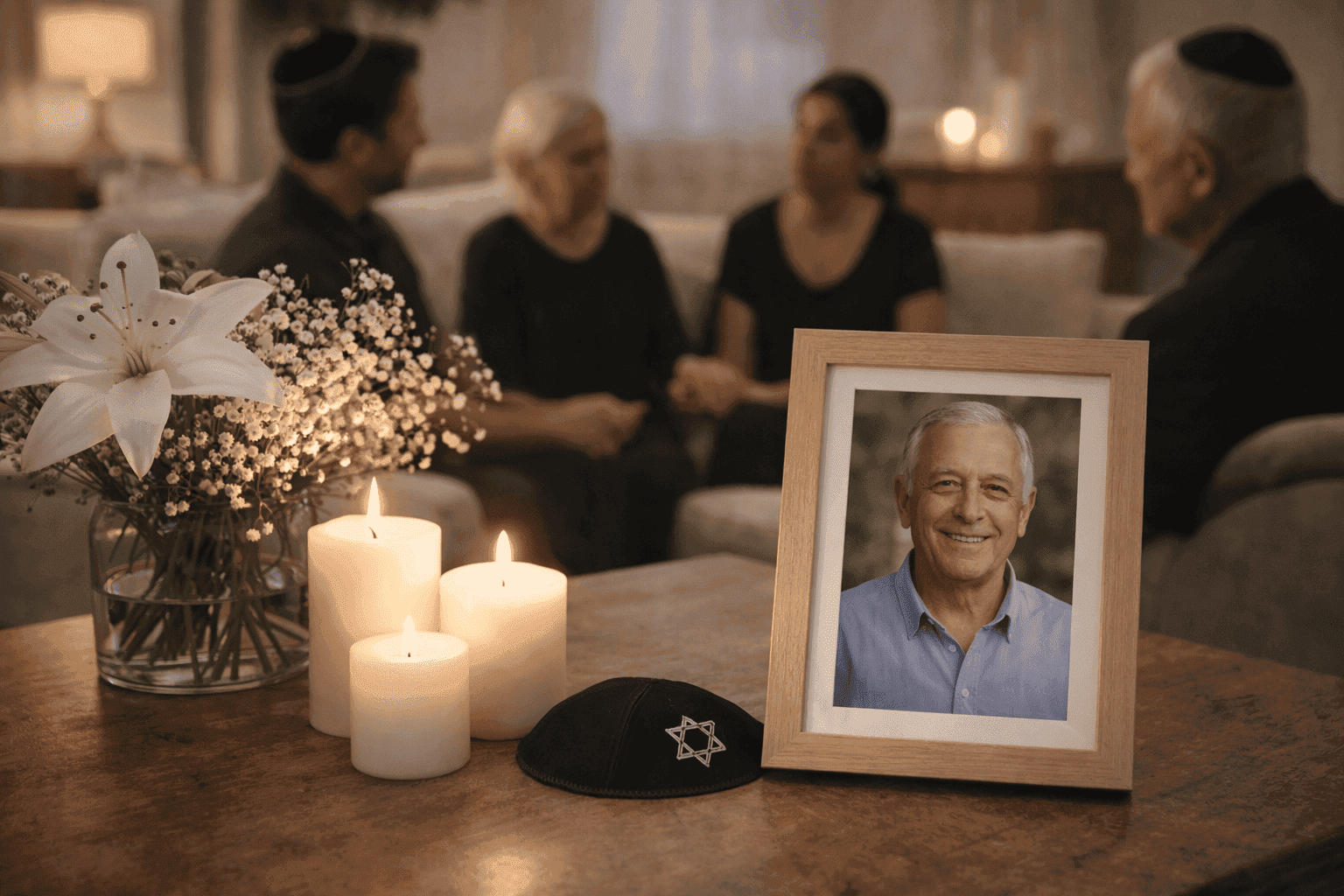
Most shiva visitors want to come but don't know the address, the hours, or whether to bring food. A memorial page answers all of that before anyone has to ask.
For Jewish families, a memorial page works best when it handles two things at once: honoring the person who died and making practical details easy to find. It doesn't need to be elaborate — just clear, respectful, and useful to the people who need it.
What a Jewish Memorial Page Often Includes
A practical memorial page for a Jewish funeral or shiva may include:
- the person's full name, including Hebrew name if relevant
- English and Hebrew dates of passing
- a short life tribute
- funeral and burial information
- shiva address and visiting times
- any relevant visiting notes (children welcome, modest dress requested, etc.)
- donation preferences, if the family wishes
Some families also add the names of immediate mourners, which helps visitors know who to look for at shiva. If community members are coming from out of town, even small logistical details — parking, whether the house has stairs — can matter.
Writing the Biography
The biography section is usually two to five paragraphs capturing who the person was.
For a Jewish memorial, families sometimes include the person's involvement in synagogue or Jewish community, connection to Israel, values or teachings they passed on, and a Hebrew phrase or text they lived by.
You don't need to cover everything. Focus on what made the person specific. Generic descriptions — "a devoted spouse and parent" — mean less than a detail that only people who knew them would recognize. The best biographies read like something a close friend wrote, not an official announcement.
Why Memorial Pages Help During Shiva
After the funeral, many people want to visit, send condolences, or support the family — but they may not know the practical details.
A memorial page becomes the one place to direct them. Instead of repeating information over and over, the family can share one link with shiva location and visiting hours, meal train details if relevant, donation information, and the person's story and photos.
That's especially helpful when relatives and community members are spread across different cities. One link handles everything.
Hebrew Dates and Yahrzeit
If the family observes Jewish mourning traditions, it's worth including both the English and Hebrew date of passing.
The Hebrew date matters because it's used to observe yahrzeit — the annual anniversary — each year. Including it on the memorial page makes it easy for family members to find later, rather than having to calculate or ask a rabbi.
Some families also add a note about shloshim (the 30-day mourning period) and any upcoming community observances, especially if there's a gathering planned.
Keep the Page Simple and Respectful
The best pages in this setting are usually understated. Focus on one strong photo, a sincere biography, accurate service information, and helpful shiva logistics.
Flashy design tends to feel off for a mourning context. Clarity is more respectful than decoration.
If you're unsure whether to make it widely accessible, private vs public memorial pages is worth reading before you share.
Donation Links and Tzedakah
Some families choose to include a link for charitable giving in memory of the person.
That may point to a synagogue, a Jewish charity, a community service organization, or a cause the person cared deeply about.
If you add a donation link, explain it in a sentence or two so visitors understand the significance. Tzedakah — charitable giving — is a meaningful part of Jewish mourning tradition, and naming the cause makes the connection clear. "In lieu of flowers, the family welcomes donations to [organization], which [name] supported for 20 years" is all it takes.
A Note About Custom
Jewish mourning practices vary across families, traditions, and communities. If there are specific religious details that matter, follow the guidance of the family and, when relevant, the rabbi.
The memorial page should support those customs, not override them. If some guests are less familiar with Jewish practice, a brief explanatory note can be thoughtful — but keep it short and matter-of-fact. The page's job is to help people show up, not to teach them.
If you want a starting point, QuickMemorial has a page focused on Jewish funerals and shiva, or you can create a memorial page directly.
Frequently Asked Questions
Can I include shiva details on a memorial page?
Yes. Many families include the shiva address, visiting hours, and any relevant notes directly on the memorial page. It gives guests one place to check rather than calling the family for logistics during an already difficult time.
Should I include the Hebrew date on the memorial page?
If the family observes yahrzeit, it's helpful to include both the English and Hebrew date of death. That makes the annual observance easier to track. If you're not sure how to format the Hebrew date, a family member or the rabbi can provide it.
Is a public memorial page appropriate for a Jewish family?
It depends on the family's preference. A public page works well when the community is large and geographically spread. A private page is better when the family wants to share details only within a specific circle. Most memorial platforms let you choose either option.
How do I include a Hebrew name on the memorial page?
You can add the Hebrew name in the page header or early in the biography. Common formats are the Hebrew name alongside the English name, or a note like "known in the community as [Hebrew name]." Follow whatever feels natural to the family.
Can I use the memorial page to coordinate shiva meals?
Yes. Many families include a link to a meal train or support coordination tool on the page. Keeping everything in one place means guests who want to help can find practical details without reaching out to the family directly.
QuickMemorial
Written by the QuickMemorial editorial team. We cover grief, memorials, and end-of-life planning to help families navigate loss with care. Learn about us.
Related Articles
How to Create a Memorial Page for a Catholic Funeral
A respectful guide to creating a memorial page for a Catholic funeral, including what details to include, how to share prayer and Mass information, and when a private memorial may be the better fit.
Grave Marker vs. Headstone: What's the Difference and Which to Choose
A grave marker and a headstone both mark a burial site, but they differ in size, style, cost, and cemetery rules — this guide explains each option clearly.
Memorial Service vs. Funeral: Key Differences Explained (2026)
Memorial service vs. funeral: one involves the body, the other doesn't. This guide covers timing, cost, and how to choose the right format for your family.