Pet Loss Grief: Why It's Real and How to Cope
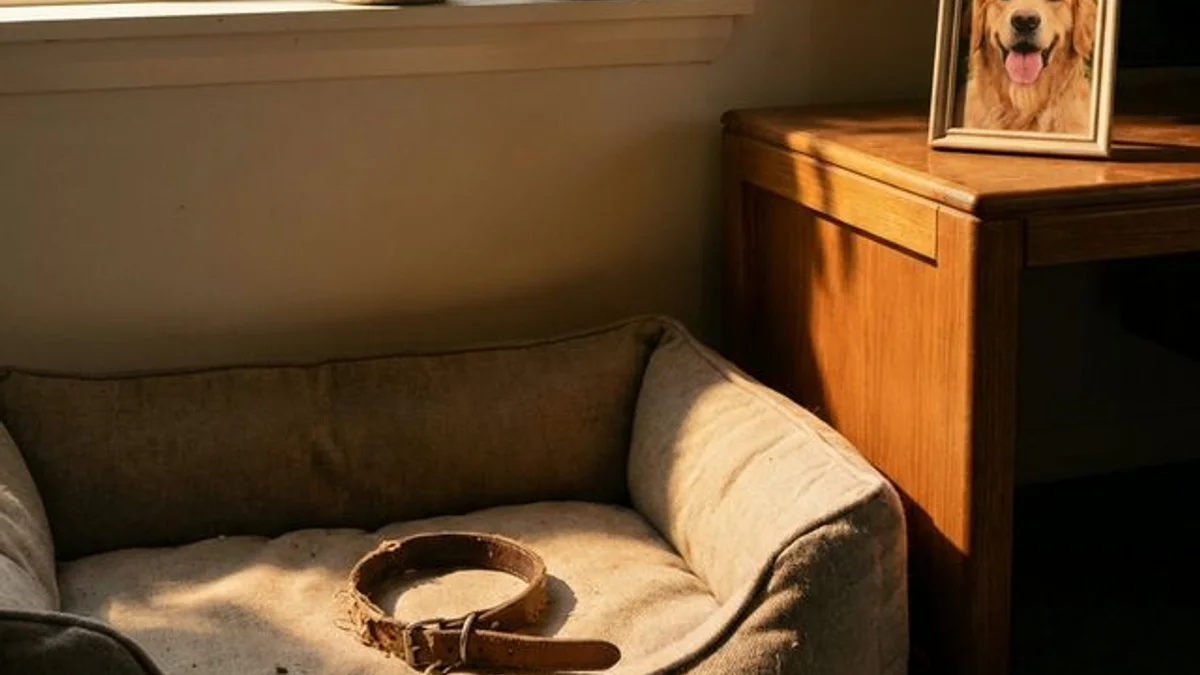
You lost your dog, your cat, your horse, your rabbit - your companion. And someone said: "It was just a pet."
It wasn't just anything. They were the first face you saw in the morning and the last presence you felt at night. They didn't judge your bad days, didn't care about your mistakes, and loved you with an intensity that humans rarely match. Losing them is real grief, and it deserves to be treated that way.
Pet loss grief is real grief - as intense as any other, and sometimes more so, because of how woven into your daily routine an animal becomes. The depth of what you're feeling isn't a sign that something is wrong with you. It's a sign of how much they mattered.
Why Pet Loss Grief Is So Intense
People often feel surprised - even ashamed - by the depth of their grief after losing a pet. There's no reason to be. Here's why it hits so hard:
The Daily Absence
A pet is woven into the fabric of your daily routine in ways other relationships aren't. You fed them every morning, walked them every evening, and felt their weight on your lap every night. When they're gone, every part of your day has a hole in it.
Unconditional Love
Pets offer something rare: love without conditions, expectations, or complications. They don't hold grudges, keep score, or love you less on your worst days. Losing that type of relationship - the purest form of acceptance you may have experienced - creates a grief that feels disproportionate to what society says is appropriate.
The Euthanasia Decision
If you had to make the decision to euthanize your pet, you carry an additional weight: the responsibility of choosing when they died. Even when it was the most compassionate choice - and it was - the guilt and second-guessing can be overwhelming.
Social Minimization
Perhaps the cruelest aspect of pet loss is that society often minimizes it. You don't get bereavement leave. People say "you can get another one." Friends may not check in the way they would after a human death. This lack of validation makes the grief lonelier.
What Normal Pet Loss Grief Looks Like
All of these are normal:
- Crying - a lot, unexpectedly, for weeks
- Hearing their sounds - tags jingling, paws on the floor, barking at the door
- Reaching for them - instinctively looking for them in their usual spot
- Appetite changes - eating too much or not enough
- Difficulty sleeping - especially if they slept with you
- Guilt - "Did I do enough? Did I wait too long? Too short?"
- Anger - at the vet, at the situation, at people who don't understand
- Relief (if they were suffering) - followed by guilt about the relief
None of these mean something is wrong with you. They mean you loved deeply.
How to Cope
Allow Yourself to Grieve
Don't rush it. Don't minimize it. Don't apologize for it. You lost someone who loved you unconditionally - grieving them fully is the appropriate response.
Create a Memorial
A tangible act of remembrance helps make the loss feel acknowledged:
- Create a memorial page for your pet with their photo, their story, and a place for friends and family to leave messages
- Frame your favorite photo and place it where they used to sit
- Plant a tree or flowers in their favorite spot in the yard
- Create a memory box with their collar, a paw print, and photos
Keep Their Routine (Temporarily)
If walking your dog was part of your morning, take the walk anyway - even without them. The routine itself can be comforting, and the fresh air helps. Over time, you'll naturally create new routines.
Talk About Them
Say their name. Share stories. Show people their photos. The people who understand will listen, and the people who don't aren't the ones whose opinions matter right now.
Connect with Others Who Understand
- Cornell Pet Loss Support Hotline - (607) 218-7457
- Association for Pet Loss and Bereavement - aplb.org
- Reddit r/PetLoss - an active, compassionate community
- Lap of Love - offers pet loss support resources and a helpline
Consider Professional Support
If grief is significantly affecting your daily functioning for an extended period, there's no shame in seeing a therapist. Many counselors specialize in pet loss and understand the unique dynamics of human-animal bonds.
For Partners and Friends: How to Support Someone Grieving a Pet
If someone you care about lost a pet:
- Take it seriously. Don't say "it was just a pet" or "you can get another one."
- Say their pet's name. "I'm sorry about [Pet's Name]. They were such a good [dog/cat/etc.]."
- Send a message. A text saying "I know how much [Name] meant to you" goes a long way.
- Light a candle on their pet's memorial page - it's a small gesture that means a lot.
- Give them space to grieve however they need to, without judgment.
- Don't suggest a replacement. When (and if) they're ready for another pet is entirely their decision.
Should I Get Another Pet?
This is deeply personal, and there's no right timeline. Some things to consider:
- Don't replace - adopt. A new pet isn't a replacement for the one you lost. They're a different individual who will create their own relationship with you.
- Wait until you want to, not until you should. There's no clock on this. Some people are ready in weeks; others need years.
- Empty house syndrome is real. The silence after a pet dies can be excruciating. If adopting again would help, there's no shame in doing it soon.
- It's okay to feel guilty. Many people feel like getting a new pet betrays the old one. It doesn't. Your heart has room for both love and memory.
When to Be Concerned
While intense grief is normal after a pet loss, seek professional help if:
- You're having thoughts of self-harm
- You're unable to function at work or in daily life for more than a few weeks
- You're using alcohol or substances to cope
- The guilt or anger is becoming overwhelming
The grief support resources in our guide apply to pet loss too - many of the hotlines and counselors work with all types of grief.
Frequently Asked Questions
Is it normal to grieve a pet as much as a person?
Yes. Research on human-animal bonds consistently shows that pet loss can trigger grief as intense as — or more intense than — the loss of a human relationship. This is especially true for people who lived alone with a pet, older adults, or anyone whose animal was a primary source of daily companionship. The depth of grief reflects the depth of the bond, not the species.
How long does pet loss grief last?
There's no standard timeline. Most people feel the sharpest grief in the first few weeks, with gradual softening over months. Some people feel significant sadness for a year or more, particularly around dates like their pet's birthday or the anniversary of their death. If grief is still significantly disrupting your daily life after several months, speaking with a counselor who specializes in pet loss can help.
What do I do immediately after my pet dies?
Give yourself time before making any decisions. If you were present at the end, it's okay to sit with them for a few minutes. For practical steps: contact your vet about aftercare options (cremation, burial, return of remains), inform anyone who knew and loved your pet, and let yourself off the hook for the rest of the day. Don't rush to remove their belongings unless having them around is causing you distress.
How do I help my child cope with losing a pet?
Use honest, age-appropriate language — say "died" rather than "went to sleep" or "went away," which can cause confusion or fear. Let your child see you grieve; it shows that loss is something we feel and work through, not hide. Involve them in honoring the pet: a small memorial, a framed photo, planting something in the garden. Avoid replacing the pet immediately without involving the child in that decision.
Should I get another pet after losing one?
Only when you want to, not when you feel you should. There's no respectful waiting period. Some people adopt again quickly because the empty house is unbearable; others need months or years. A new pet doesn't replace the one you lost — they become their own relationship, which is why guilt about "replacing" them is usually misplaced. The decision is entirely yours.
Create a Lasting Tribute
Your pet deserves to be remembered. Create a memorial page with their photo, the story of your life together, and a place where the people who loved them can light a candle and share memories. If you want to connect a physical keepsake — an urn, a garden stone, a collar — to the page, see our guide to pet memorial QR codes.
It takes about 5 minutes. No account needed.
They weren't just a pet. And your grief isn't just sadness. It's love with nowhere to go - find it a home.
QuickMemorial
Written by the QuickMemorial editorial team. We cover grief, memorials, and end-of-life planning to help families navigate loss with care. Learn about us.
Related Articles
How to Handle Death Anniversaries: What Helps Year After Year
Death anniversaries can hit harder than expected, even years later. Here's what actually helps you cope, honor the day, and support others through it.
Sympathy Card Wording Examples: What to Write (and What to Skip)
Stuck on what to write in a sympathy card? These sympathy card wording examples cover every relationship and loss — short, honest messages that actually help.
How to Announce a Death on Facebook: Wording and Etiquette
How to post a death announcement on Facebook with example wording, privacy tips, and what to do after so family isn't caught off guard.